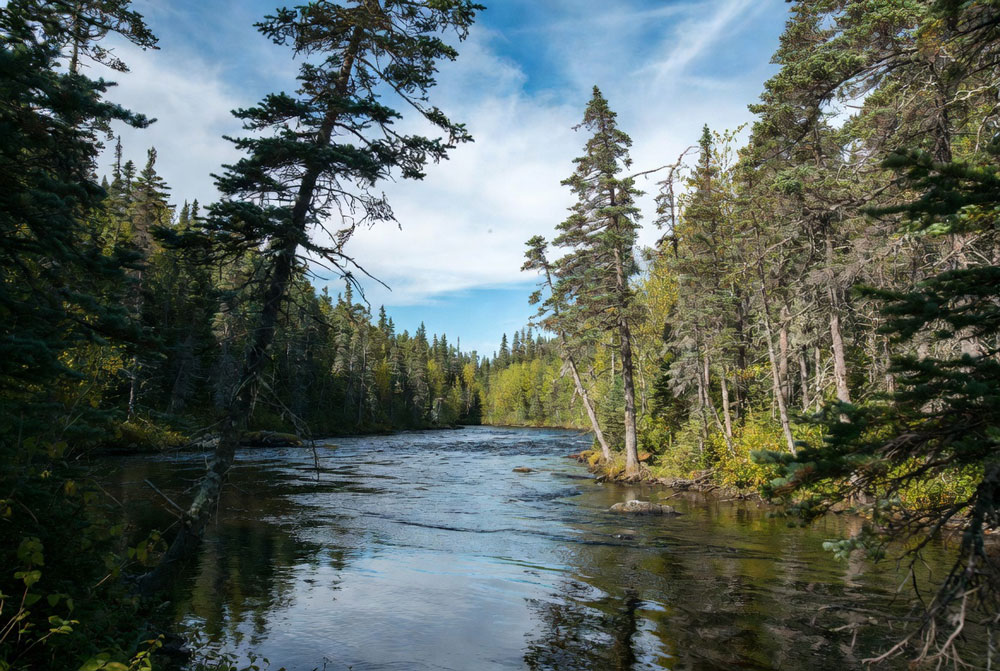
Wander

Leave the porch when you feel like it. Come back when you’re ready.

One trail at a time.
No rush. No schedule.
Just quiet paths that lead somewhere gentle.

What the Season Brings

Spring (Apr–May)

Ice breaks on the water.

First loons return.

Quiet trails open again — mud and new green.

Summer (Jun–Aug)

Salmon run in the river.

Long evenings.

Fireflies and late night sunsets.

Autumn (Sep–Oct)

Leaves turn fire.

Moose move lower.

Stars feel closer every night.

Winter (Nov–Mar)

Snow quiets everything.

Aurora season begins.

Everything is at rest.

Choose Your Adventure

Different paths. Same quiet pace.

The Night Sky - Newfoundland

A slow walk under the dark where the stars come close enough to touch.

The trail begins at the fire pit and wanders to quiet lookouts — ocean edge, river bend, ridge clearing, lake mirror, forest gap — each place offering its own piece of the sky. No rush. No lights. Just the night unfolding above you.

Campfire Start
The trail begins at the fire pit. Wood crackles low,
embers glow orange and overhead the first stars appear.
The Milky Way stretching faint above the spruce like a quiet promise.
Embers and first stars
Ocean Edge
Walk to the cliff lookout.
The ocean breathes below, dark and endless.
Above, the Milky Way pours straight into the water.
Two vast silences meeting at the horizon.
Stars over the Atlantic
River Bend
The trail follows the river.
Starlight scatters on the moving surface like silver coins.
The current whispers, the sky watches — everything flows together in the dark.
Water carries the light
Ridge Clearing
Climb the ridge and the trees fall away.
Here the sky feels bigger than the land.
The Milky Way stands overhead like a river of light.
No cabin light, no city glow, just you and the stars.
Highest point, closest sky
Full Moon Glow
On full moon nights the trail transforms under silver glow.
The land softens, shadows stretch long, and the sky feels close enough to hold.
A quiet magic that turns the barrens into something otherworldly.
Ethereal silver light
Perseids in August
August brings the Perseids.
Up to 100 meteors per hour streak across Newfoundland’s dark skies.
Lie back in the clearing and watch them fall, the Milky Way
a perfect backdrop to the quiet show.
Shooting stars above
Lake Mirror
At the lake edge the sky doubles itself.
The Milky Way lies flat on the still surface.
Two heavens, one above and one below, perfectly mirrored in the quiet water.
Stars on the water
Return Under Stars
The trail back is lit only by starlight.
The Milky Way follows overhead, a quiet companion.
You walk slower now, carrying the night’s vastness all the way to the cabin door.
Carrying the sky home

NIGHT EXTRAS

  • Bring a blanket and lie back — best September–March for darkest skies and aurora
  • Mid August — Perseids meteor shower (up to 100 meteors/hour under dark skies)
  • Full moon nights — trail glows silver, shadows stretch long
  • Pack a headlamp for the return — starlight is enough for the walk back

Salmon River Run - Central Newfoundland

A quiet path to the river where the salmon leap and the current whispers its secrets.

The trail follows the water’s edge through spruce and stone, past deep pools and gentle riffles — the same rivers around Glover’s Harbour and Leading Tickles where wild Atlantic salmon have returned each summer for centuries. No rush. No noise. Just the river, the light, and the chance to cast a line or simply sit and watch the silver flashes break the surface.

The Salmon Leap
The first salmon leaps clear of the current.
A silver arc against the deep blue.
You stand still, breath held, as the river shows its wild heart.
Silver flashes in blue
The Path to the River
The trail leaves the spruce and opens to the riverbank.
This is classic Newfoundland salmon country.
The same flowing waters where anglers have cast for generations.
First whisper of water
Rod in Hand
Cast your line where the pool deepens.
The fly dances on the surface, waiting for the strike.
No hurry — the river sets the pace.
Line meets water
The Guide’s Wisdom
A local guide points to the best pools — where the salmon rest and feed.
Their stories of the river make every cast feel like part of something larger.
Shared secrets
River Rules
Pause to remember the gentle rules.
Barbless hooks, catch limits, release what you don’t need.
Newfoundland’s salmon rivers thrive when we fish with care.
Respect the flow
The Strike
The line tightens. The rod bends.
A wild salmon fights from the deep.
A moment of pure connection between you and the river’s strength.
Sudden thrill
Rest on the Bank
Sit on the stones after the catch.
Release the salmon back or keep what the rules allow.
The river flows on, unchanged and generous.
Quiet after the rush
Return with the Current
The path back follows the river’s bend.
You carry the day’s quiet thrill all the way to the cabin,
the salmon’s leap still vivid in your mind.
Trail’s flowing close

Make it a Full Day Outing

  • Pack a thermos and blanket — sit on the riverbank and watch the salmon leap for hours.
  • Bring binoculars for birds and moose that often wander the river edges.
  • Combine with a stop at the local bake shop for fresh partridgeberry scones on the way back.
  • Time your visit for dawn or dusk — that’s when the fish are most active.
  • Bring a journal or sketchbook — the river’s rhythm makes for perfect quiet reflection.

A Few Gentle Rules for the River

  • All anglers need a Newfoundland salmon licence (available online or at local vendors).
  • Non-residents must have a licensed guide on scheduled rivers like Exploits.
  • Bag limit: 2 salmon per day, 4 per season (check current regulations).
  • Use barbless hooks only — keep it kind to the fish.
  • Catch-and-release on some sections — leave the river as you found it.
  • Season runs mid-June to early September — best when the water is cool.
  • No bait on scheduled rivers; fly fishing is the way here.

The Squid Trail - Glovers Harbour, Newfoundland

A short drive to the place where legend met the sea — home of the largest squid ever recorded.

In November 1878, a 55-foot giant squid washed ashore at Thimble Tickle, near Glover’s Harbour — the first specimen ever measured and photographed by science, forever changing what the world believed about the deep ocean. The village still carries that quiet wonder: a life-sized bronze monument stands on the shore, the small interpretation centre tells the story in simple panels and old photos, and the same cold Atlantic water laps against the rocks where the giant once lay. The trail is short, the pace slow — just enough to feel the weight of what happened here and the peace that has settled over the harbour since.

The Legend Cast in Concrete
Here it stands — fifty-five feet of memory cast in steel and concrete.
The same creature that once thrashed in these shallows now watches
over every visitor who walks this trail.
The giant still watches
The Road to Glover’s Harbour
The drive winds through spruce and salt air to Glover’s Harbour.
The quiet village where the Atlantic once delivered its most famous visitor.
The trail begins with anticipation, the sea already whispering.
Toward the legend
Interpretation Centre
Inside the small centre, panels and photos tell the tale.
The squid that measured over 55 feet, the men who hauled it ashore,
the scientists who came to study it. A quiet place to feel the weight of wonder. Souvenirs available.
Stories from the deep
Arrival at the Shore
The harbour opens wide.
This is the same water where, in 1878, a 55-foot giant squid washed ashore.
The largest ever recorded, a creature that gave the world
its first real glimpse of the deep.
First breath of history
Fresh Catch on the Wharf
The wharf still brings in the day’s catch.
Cod gleam silver on weathered wood.
The same cold waters that once held the giant
now feed families and visitors alike.
Sea to table
Squid in the Deep
Beneath the surface, smaller squid dart in silver clouds.
Living echoes of the giant. They move through the same cold currents
that once carried something far larger.
Descendants still swim
The Return
The descent feels lighter.
With the sea still singing behind you, the trail leads you gently back
through the trees toward the cabin and the rest of your quiet day.
Downward ease
Sunset Over the Bay
As the sun slips behind the hills, the bay turns to glass.
Boats rest, colours bleed across the water
and the legend of the giant feels as close as the tide.
Golden close
Trail’s Gentle End
The trail ends where it began - on the edge of the sea.
You leave with salt on your skin and the quiet knowledge
that legends still swim in these waters.
Carrying the story home

Make It a Full Day Outing

  • Bring binoculars — the bay often hosts otters, seabirds, and occasional whales in summer.
  • Stop at the Squid Interpretation Centre for panels, photos, and the story of the 1878 Thimble Tickle specimen.
  • Walk the harbour shoreline — smooth stones perfect for skipping into calm water.
  • Time your visit for sunset — the bay turns golden and the giant squid statue glows in the last light.
  • Pack a simple picnic and eat at the harbour benches — fresh bread, cheese, and a thermos of coffee make the legend taste even better.

Ocean View Park - Leading Tickles, Newfoundland

A short drive to a place where the Atlantic meets the cliffs in one of Newfoundland’s most welcoming coastal parks.

This family-run park in Leading Tickles sits on the shores of Notre Dame Bay, with clean, well-maintained trails, rocky beaches, picnic spots, and panoramic lookouts. It’s known for its iceberg viewing in spring, whale watching in summer and peaceful camping under the stars. The park offers easy access to the ocean, with safe swimming areas and dramatic views of the bay’s scattered islands and rugged coastline.

Park from Above
The drive from the cabin winds through spruce-lined roads toward Leading Tickles.
As you pull into Ocean View Park, the first glimpse of the bay opens wide — a quiet welcome from a park that has been a local favourite for generations.
Anticipation builds
Park Entrance
The park gates open to clean, well-kept grounds.
Picnic tables sit under the shade, and the air carries salt from the bay -
a place where families have gathered for years to swim, hike, and breathe the coast.
A small entrance fee applies.
Open and inviting
One of the Beach Paths
A short trail leads to the rocky beach.
Stones worn smooth by tides invite you to skip them into Notre Dame Bay,
where the water runs clear and cold.
To the water’s edge
Camping Under the Stars
Set up camp in the park’s open sites overlooking the bay.
As dusk falls, the stars appear bright and close - a spot where, sometimes,
whale songs carry across the water on summer nights.
Night’s quiet embrace
Icebergs Visit
In spring the park becomes a front-row seat for icebergs drifting through the bay. Towering shapes from the far north rest quietly offshore,
their blue-white edges catching the light.
Silent white giants
Whale Watching
Summer brings the whales to Leading Tickles.
From the park's cliffs you watch them feed and breach in Notre Dame Bay
a quiet wonder that makes the world feel vast and connected.
The bay comes alive
The Return Path
As you walk back through the park, the bay fades behind the trees.
Salt on your skin, the quiet of the trail lingers all the way back to the cabin.
Carrying the sea home
Trail’s Gentle End
You return with the sea’s peace in your chest.
Ocean View Park is short in distance but long in memory.
The kind of place that calls you back.
The day’s quiet close

Make It a Full Day Outing

  • Pack a picnic and eat at the cliffside tables overlooking the bay — local cod and partridgeberries make it perfect.
  • Bring a sketchbook or camera for the lookouts — the light changes every hour.
  • Swim in the safe beach areas on warm days — the water is crisp and invigorating.
  • Combine with a stop at the Leading Tickles Heritage Centre on the way home.
  • Best in early morning for birdwatching or late afternoon for sunsets that paint the bay gold.

Bear Head Lookout - Leading Tickles, Newfoundland

A short, steep climb that rewards you with one of the most breathtaking panoramic views in central Newfoundland.

This trail is part of Ocean View Park in Leading Tickles. It’s a well-maintained 0.8 km (0.5 mile) out-and-back hike with wooden stairs on the steeper sections, gaining about 35 m (114 ft) to a 60 m (200 ft) lookout. From the top you can see sweeping views of Notre Dame Bay, scattered islands, rugged cliffs, and — depending on the season — icebergs drifting in spring or whales feeding in summer. It’s a favourite local spot for quiet reflection and photography.

Trailhead in the Trees
The path starts gently among spruce and stone in Ocean View Park.
A few steps in and you already feel the pull toward
the open Atlantic waiting above.
The climb begins
The Steep Section
The trail climbs with purpose here,
wooden stairs helping you rise quickly through the forest.
Each step brings you closer to the reward — the vast open sea.
Heart and legs working together
First Glimpse
As the trees thin, the first wide view of Notre Dame Bay appears -
islands scattered like jewels across the water, the horizon stretching forever.
The world opens
Bear Head Lookout
At the top, the lookout opens in every direction.
Below you, cliffs drop to the sea.
This is one of the most beautiful viewpoints in all of Newfoundland -
raw, wild and utterly peaceful.
200 feet of wonder
Icebergs in Spring
Some years the icebergs drift close enough to see from the lookout
towering white sentinels from the far north resting quietly in the bay.
Silent white giants
Whales in Summer
In summer the whales feed just offshore.
From this height you can watch their blows and occasional breaches.
A quiet reminder that the ocean is very much alive.
Breaches in the distance
The Return
The descent feels lighter.
With the sea still singing behind you, the trail leads you gently back
through the trees toward the cabin and the rest of your quiet day.
Downward ease
Trail’s Quiet End
You return with wind in your hair and the whole Atlantic still in your chest.
Bear Head Lookout is short in distance but long in memory -
the kind of place that stays with you.
Carrying the view home

Make It a Full Day Outing

  • Pack a thermos of coffee and sit at the lookout for as long as the wind allows
  • Bring binoculars or a small telescope for whale and iceberg spotting
  • Combine with a stop at the nearby general store for travel snack and supplies on the way back to the cabin
  • Best in early morning or late afternoon for the softest light and fewest people
  • In summer, bring a blanket and stay for sunset — the sky often puts on a show

The Berry Patch - Botwood, Newfoundland

A slow, sweet walk through the barrens where Newfoundland offers its quietest gifts.

Blueberry (lowbush) and partridgeberry (lingonberry) picking is a deeply loved seasonal tradition in central Newfoundland. The open barrens around Point Leamington, Southern Lake, and Botwood are some of the best and most accessible spots on the island. Peak season runs late July through mid-October, with partridgeberries ripening a little later than blueberries. Families have foraged these same patches for generations, turning the harvest into jam, pies, and sauces that taste like home.

First Taste of Blue
The first ripe blueberries appear like tiny blue lanterns scattered among the moss.
You kneel, fingers brushing the low leaves, and taste summer
straight from the land — tart, sweet, and wild.
Sweet discovery
Leaving the Trees Behind
The trail slips out of the spruce and opens into wide, low barrens. This is classic Newfoundland berry country — the same rolling hills around Point Leamington and Southern Lake where locals have picked for generations.
Into the open barrens
Blueberry Barrens
For miles the land rolls in low waves of blueberry bushes. Pick slowly. Eat as you go. The quiet is so complete you can hear the soft ping of berries dropping into your pail.
Endless blue waves
Partridgeberries
Lower to the ground, tucked beneath the blueberry leaves, the partridgeberries wait — bright scarlet, tart, and perfect for jam. These are the same berries Newfoundlanders have gathered for generations to make sauces and pies.
Hidden red jewels
The Rhythm of Picking
There is a quiet rhythm here — bend, pick, taste, breathe. Time slows. The only sounds are wind through the barrens and the soft ping of berries hitting the pail.
Hands in the land
Companions in the Barrens
A raven calls overhead. A fox may have passed this way at dawn. You are never truly alone in these barrens — the land and its wild residents keep you gentle company.
Never truly alone
The Harvest
As the light softens, your pail grows heavy with deep blue and bright red. Enough for fresh eating tonight and jam tomorrow — a small, sweet reminder of this place you’ll carry home.
Pails full of summer
Golden Return
With stained fingers and full pails, the trail leads you gently back toward the cabin as the sun sets behind the hills of Botwood. Tomorrow the berries will become breakfast. Tonight they are simply enough.
Trail’s sweet end
SEASONAL NOTES

The barrens around Point Leamington, Southern Lake and Botwood follow the island’s quiet rhythm. Here’s when the berries call you best:

  • Mid-July — Early blueberries start ripening
  • Late July to early September — Prime blueberry picking
  • Mid-August to mid-October — Partridgeberries ripen
  • September — Partridgeberries at their sweetest
  • Late August to mid-September — The richest overlap of ripe blueberries and early partridgeberries
  • August to October — Berry season overlaps with fall migration and moose rut — wildlife sightings are common
  • Late August to early October — The richest haul of both berries
  • Late September to October — The barrens glow gold — bring a jacket, evenings cool quickly

Pick what the season offers. The land always gives enough.

Wander when you feel like it.
Stay when you don’t.
Both are perfect here.

The Postcard Trail

Some stay on the porch. Some wander. Everyone leaves a little something behind.

Leave a small piece of your trail here.

A photo, a thought, a moment caught in the salt air.

No login. No pressure.

Just your discovery, waiting for the next guest to find.

Postcards from the Trail

Claire

Found a quiet spot by the river. No phone, no clock. Just water moving and wind in the spruce. Left lighter than I arrived.

David

Newfoundland is amazing. Watched the sunset from one of our stops. No words. Just orange sky and the sound of waves on rock. Didn’t need anything else that evening.

Emma

We picked partridgeberries until our fingers were red. Made jam in the cabin that night — tasted like summer in a jar. This place gives more than it takes.

Mike

Hiked Bear Head Lookout in the rain. Fog rolled in thick, then broke just long enough to see the whole bay. Felt like the island was showing off only for us.

Sarah

Stepped off the porch at dusk with a cup of tea. The loons started calling in the distance and everything just stopped. First time in years I heard real quiet.

Claire

Found a quiet spot by the river. No phone, no clock. Just water moving and wind in the spruce. Left lighter than I arrived.

David

Newfoundland is amazing. Watched the sunset from one of our stops. No words. Just orange sky and the sound of waves on rock. Didn’t need anything else that evening.
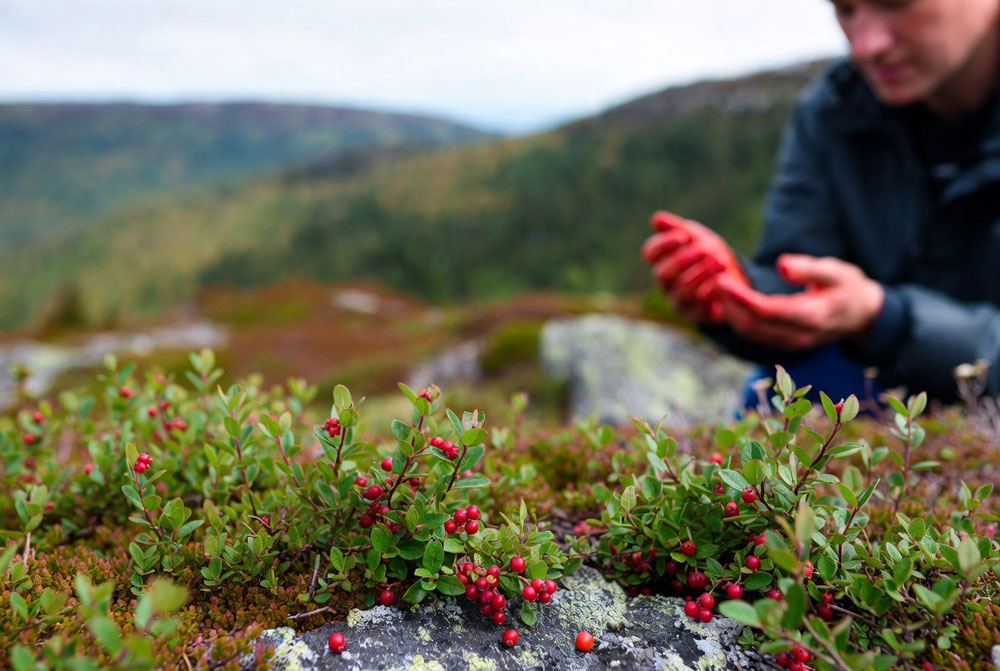
Emma

We picked partridgeberries until our fingers were red. Made jam in the cabin that night — tasted like summer in a jar. This place gives more than it takes.

Mike

Hiked Bear Head Lookout in the rain. Fog rolled in thick, then broke just long enough to see the whole bay. Felt like the island was showing off only for us.
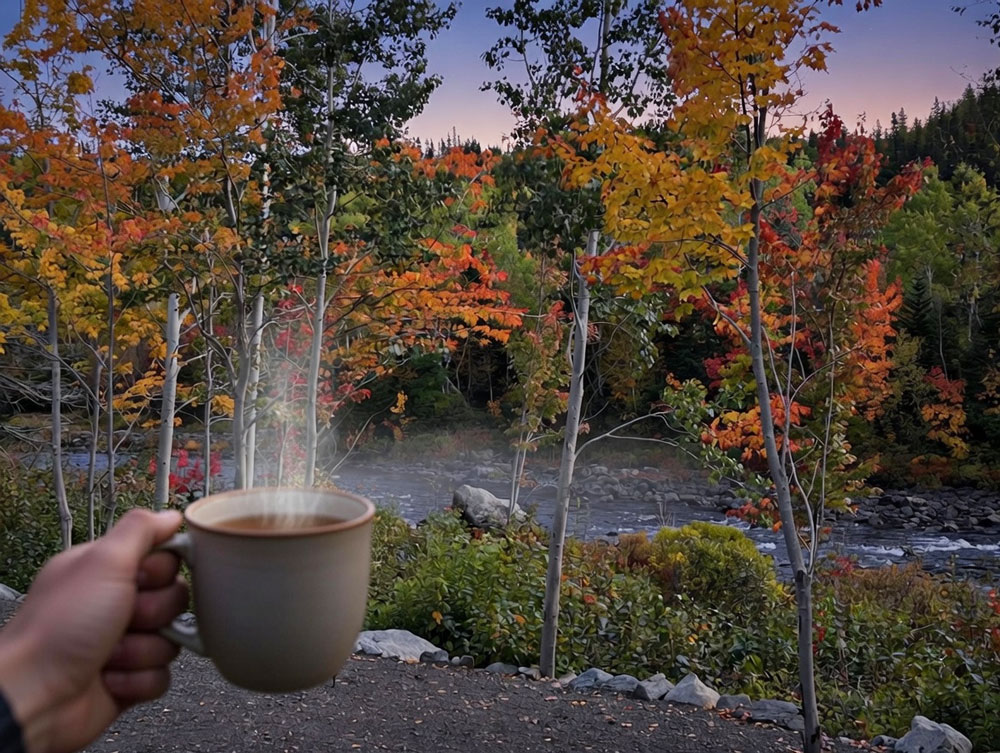
Sarah

Stepped off the porch at dusk with a cup of tea. The loons started calling in the distance and everything just stopped. First time in years I heard real quiet.